Angthong speedboat vs big boat compared: travel time, cost, comfort, snorkel stops and crowds — find out which Angthong Marine Park tour suits you.
Quick comparison: speedboat vs big boat
Angthong Marine Park sits roughly 60 kilometres west of Ko Samui in Surat Thani Province's stretch of the Gulf of Thailand, and almost every visitor reaches it by one of two vessel types. The Angthong speedboat vs big boat decision shapes your entire day — how early you wake up, how long you spend in the water, how much you pay, and how rough the ride feels. Neither option is objectively better; they're built for different priorities.
Speedboats are faster and more exclusive; big boats are cheaper and roomier, and that trade-off should drive your booking decision.
Angthong speedboat vs big boat tour comparison at a glance
| Tour type | Travel time (one-way) | Typical group size | Relative cost | Best for |
|---|---|---|---|---|
| Speedboat | Approx. 1–1.5 hours | 20–40 passengers | Higher per person | Time-pressed travellers, active snorkelers |
| Big boat (catamaran/ferry) | Approx. 2–2.5 hours | 80–150 passengers | More affordable | Families, seniors, budget groups |
| Small-group speedboat charter | Approx. 1–1.5 hours | Under 20 passengers | Highest per person | Couples, photographers, flexible itineraries |
Figures are typical ranges; exact speeds, capacities and prices vary by operator and sea conditions, so confirm details when booking.
What each vessel type offers
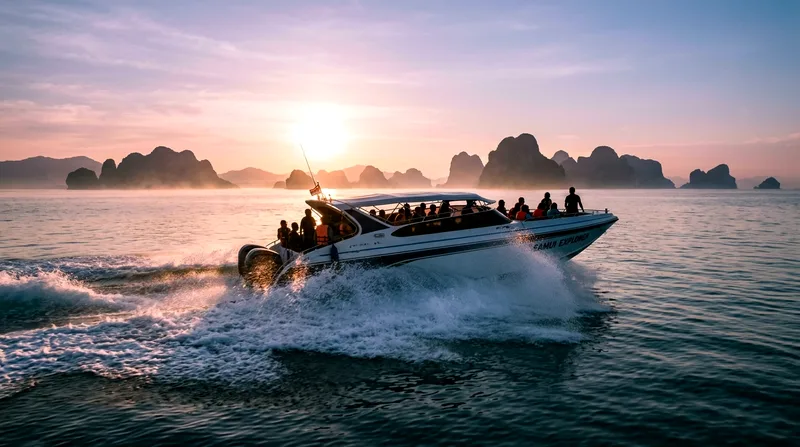
A speedboat tour typically runs a rigid-hull or fibreglass vessel seating 20 to 40 passengers, powered by twin outboard engines that push cruising speeds well above what a displacement hull can manage. These boats prioritise speed over space — expect bench or jump seating, minimal shade in some models, and a day trip that gets you in and out of the water faster. Big boat tours use larger catamarans or converted ferries, sometimes carrying 80 to 150 passengers, with multiple decks, shaded lounge areas, toilets on board, and buffet-style lunch service. The trade-off is obvious: more comfort and amenities, less speed and intimacy.
Key differences at a glance
Strip it down to four variables and the choice gets easier: time, money, comfort, crowd size. Speedboats shave roughly an hour off each leg of the journey and cost somewhat more per head. Big boats take longer getting there but tend to undercut speedboats on price, especially for families booking multiple seats. If you want fewer people around you at Koh Wao's viewpoint or in the Emerald Lagoon, a speedboat group is usually a third the size of a big boat's — though some premium big boat operators cap numbers too, so always check the passenger count before booking rather than assuming by vessel type alone.
Travel time and distance covered
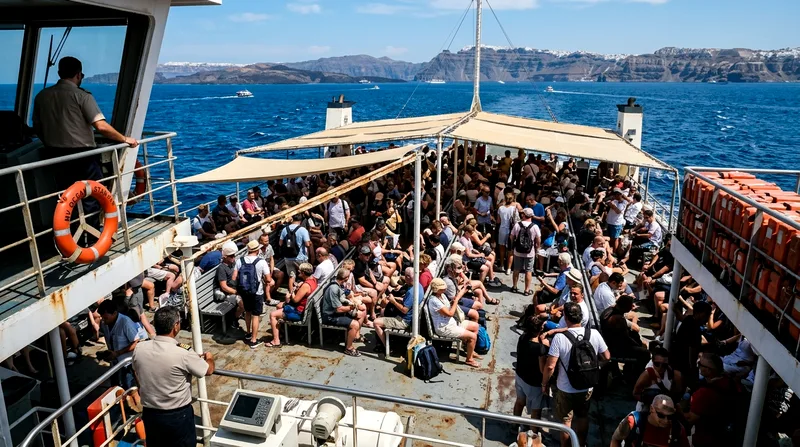
The crossing from Ko Samui to Angthong Marine Park covers open Gulf of Thailand water, and the type of hull under you changes the day's rhythm completely. This isn't a short hop like the Koh Samui-to-Koh Phangan ferry run — it's a genuine open-water crossing, and distance is the single biggest lever on your schedule.
Speedboat journey duration
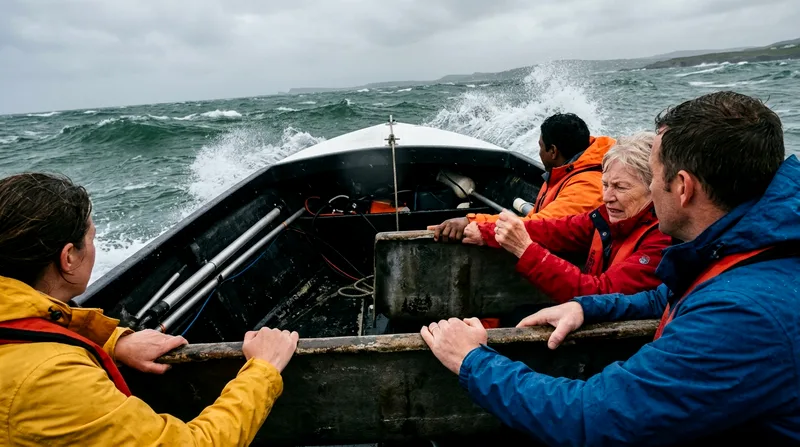
A speedboat typically covers the distance in something close to 60 to 90 minutes, depending on sea state and which pier you depart from. That speed buys you extra time at anchor — more minutes snorkeling, more minutes on Koh Wao's viewpoint trail, or time for a side trip to Koh Phaluai's fishing village if the itinerary includes it. The flip side is a bumpier ride; smaller hulls slap against swell more than displacement boats do, and during the monsoon shoulder months (roughly October through December) that bump gets more pronounced. If you've never handled choppy water well, this is the detail that matters more than price.
Big boat journey duration
Big boats generally take closer to 2 to 2.5 hours each way, nearly double the speedboat's time. That's four to five hours of your day spent in transit rather than in the water or on an island. For a day trip with a hard return deadline — say, catching an evening flight out of Samui — that math can rule out the big boat option entirely. But the slower hull also rides flatter through swell, which matters more than the extra hour to anyone managing motion sickness, young kids, or a bad back that doesn't appreciate being thrown around a wave.
Cost and value for money
Money is rarely the only factor, but it's the one most people ask about first, and the Angthong speedboat vs big boat gap is real enough to matter for a family of four or a backpacker counting baht.
Speedboat pricing structure
Expect speedboat day trips to sit noticeably above big boat prices per person, often by a meaningful margin, because fewer passengers split the fuel and crew cost. Twin outboards burn considerably more fuel per nautical mile than a catamaran's cruising engines, and that gets passed straight to the ticket price. Private or small-group speedboat charters push the price higher still — sometimes several times the big boat fare — because you're paying for exclusivity and schedule flexibility rather than shared capacity. If you're travelling solo or as a couple with a flexible budget, this premium often feels justified by the extra time in the water; for a family of five, it adds up fast.
Big boat pricing structure
Big boat tours are the budget default for a reason — spreading costs across 80-plus passengers keeps the per-head price down, and lunch, snorkel gear rental, and park entry fees are usually bundled into one fare. Thailand's national park entry fee for Angthong (charged separately from the tour price by most operators, payable in cash on the day) is the same regardless of vessel type, so that's not a point of difference. Where big boats save you money, they also sometimes cost you in extras — soft drinks, kayak rental, or premium lunch options can carry small add-on charges that a packed speedboat day sometimes includes as standard. Always check what's bundled before comparing two tours on price alone.
Comfort, crowds and group dynamics
This is where personal tolerance matters more than any spec sheet. Some travellers find a packed big boat deck sociable and relaxed; others find it the worst 45 minutes of their holiday queuing for the one onboard toilet.
Speedboat passenger experience
Smaller groups mean less queuing for gear, faster disembarkation at each stop, and a guide who can actually learn your name. Seating is tighter and often without back support for a full two-hour round trip, which senior travellers with back or knee issues should weigh carefully. Spray comes over the bow more often on a speedboat, so expect to get wet before you even reach the first snorkel stop — bring a dry bag, not just a backpack with a zip. I wouldn't recommend a speedboat for anyone travelling with toddlers; the bouncing and lack of shade on some models make for a long, uncomfortable 90 minutes for a small child.
Big boat passenger experience
Multiple decks, shaded seating, a toilet on board, and enough space to spread out — big boats handle large families and senior travellers far better. The trade-off is crowd management: at the Emerald Lagoon viewpoint on Koh Wao, 100-plus passengers disembarking at once creates a genuine queue up the viewpoint stairs, sometimes a 20-minute wait at peak season (December through March). If you hate waiting in line for a photo spot, that's a real cost even though the ticket price is lower. Buffet lunch on a big boat is also hit-or-miss — functional rather than memorable, in line with what you'd expect on a Phuket or Krabi big-boat day trip of similar scale.
Snorkel stops and marine experience
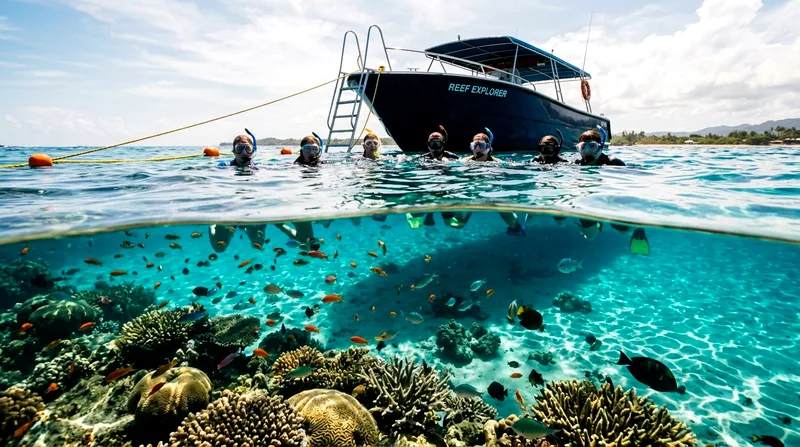
Both vessel types generally anchor at the same handful of recognised sites within Angthong Marine Park's 42-island cluster, so the fish and coral you see don't differ much by boat type — what differs is how much time you get there and how crowded the water feels.
Speedboat snorkel itinerary
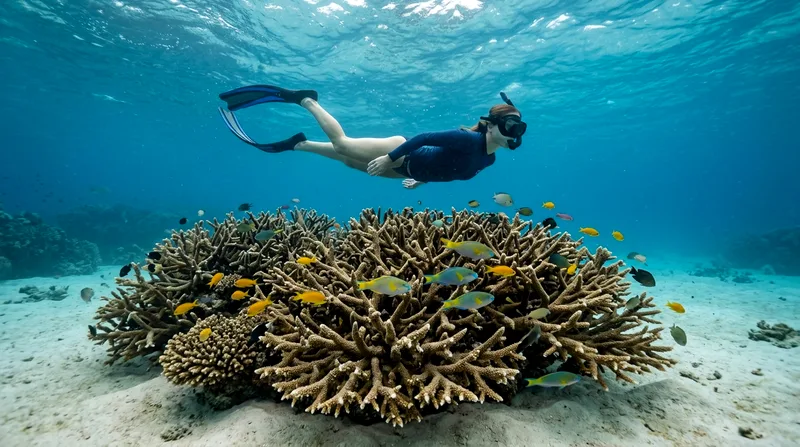
Faster transit means speedboat itineraries often squeeze in an extra stop or longer water time at each site — commonly 45 minutes to an hour per snorkel location rather than the rushed 20-30 minutes a tight big boat schedule allows. Visibility around Angthong's reefs is generally better in the dry season (roughly January to April); outside that window, expect murkier water regardless of which boat dropped you there. Smaller groups in the water also means less fin-kicking chaos near the coral, which matters if you actually want to look at parrotfish and damselfish rather than swim through a crowd of forty snorkelers.
Big boat snorkel itinerary
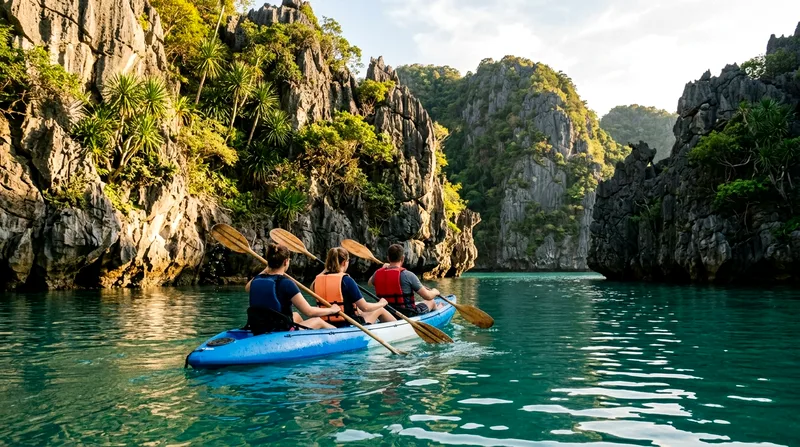
Big boats typically anchor at one or two main snorkel points rather than hopping between several, trading variety for a longer, calmer stop where everyone can get in and out without rushing. Kayaking around the limestone cliffs near Koh Mae Ko is commonly offered as an add-on activity while others snorkel, which gives families an alternative if the kids prefer paddling to swimming with a mask on. The downside: with 80-plus people entering the water at once, the immediate area around the boat gets stirred up and crowded within the first ten minutes, pushing the better sightings further out than a confident swimmer might want to go alone.
Which tour type is right for you
Neither option is wrong, but one will clearly suit your trip better once you're honest about your constraints — schedule, budget, and tolerance for choppy water.
Choose speedboat if
Pick a speedboat if you're short on days in Ko Samui and want to protect afternoon or evening plans elsewhere — a trip to Koh Phangan's Haad Rin for sunset, for instance, becomes realistic if your Angthong day finishes two hours earlier. Couples and solo travellers who want more water time and smaller groups will get more out of the premium price. Confident swimmers who don't mind some spray and firmer seating will barely notice the trade-offs that bother families. Skip it if anyone in your group gets seasick easily or has mobility issues that make a bouncing, low-backed seat miserable for 90 minutes each way.
Choose big boat if
Choose a big boat if you're travelling with kids, elderly parents, or anyone who needs a toilet, shade, and a flat place to lie down mid-trip. It's the more sensible choice for larger groups splitting a holiday budget, and it comfortably beats a speedboat on predictability in choppy conditions. Skip it if you're on a tight one-day schedule, hate queuing at popular viewpoints, or you've already done a similarly paced big boat trip elsewhere — the format isn't wildly different from a standard Phi Phi Islands or Similan Islands day-boat tour, so repeat visitors sometimes find it underwhelming the second time around.
Frequently asked questions
Is a speedboat or big boat faster to Angthong Marine Park?
Speedboats are faster, typically covering the roughly 60-kilometre crossing from Ko Samui in 60 to 90 minutes versus 2 to 2.5 hours on a big boat. Over a full day that difference can add two to three hours of extra time in the water or on the islands rather than sitting in transit.
Which tour costs less: speedboat or big boat?
Big boats are consistently more affordable per person because the fuel and crew costs are spread across a much larger passenger load. Speedboats, especially private or small-group charters, carry a noticeably higher price for the extra speed and exclusivity.
Do speedboats and big boats visit the same snorkel sites?
Largely yes — both generally stop at recognised snorkel points within the Angthong Marine Park cluster, often near Koh Wao or Koh Mae Ko. The difference is pacing: speedboats often fit in more stops with longer swim time each, while big boats tend to anchor at one or two sites for a longer, calmer session.
Which tour has fewer crowds?
Speedboat tours carry 20 to 40 passengers compared to 80 to 150 on a big boat, so you'll generally deal with shorter queues at viewpoints like the Emerald Lagoon stairs and less congestion in the water around snorkel stops.
Is a speedboat tour suitable for families with children?
It can work for older, confident kids, but toddlers and young children often struggle with the bouncing ride, tighter seating, and lack of shade on some speedboat models. Families with small children or seniors generally do better on a big boat's flatter ride and onboard toilet access.