Discover the top Angthong snorkeling spots in Angthong Marine Park. Compare reef quality, visibility, and marine life to pick the right boat tour.
What Makes Angthong a Top Snorkeling Destination
Angthong Marine Park sits roughly 30 km west of Ko Samui in the Gulf of Thailand, a cluster of around 42 limestone islands protected as a national park since 1980. That protection matters for snorkeling: no island development, no permanent accommodation on most islets, and limits on which bays boats can anchor in. The result is water that's generally clearer and less disturbed than what you'd find just off Samui's main beaches.
I'd put Angthong's snorkeling in the "good, not great" category compared with somewhere like the Similan Islands near Phuket, which have genuinely spectacular coral walls and far better average visibility. Angthong's appeal is different — it's about doing a decent snorkel session between kayaking a lagoon, climbing to a viewpoint, and cruising past islands that look like something out of a Bond film (because one was filmed here, nearby, on Phang Nga Bay's cousin formations). If you're coming purely for underwater scenery, Koh Tao — a two-hour boat ride further north past Koh Pha Ngan — has denser coral and a stronger diving reputation.
Protected marine ecosystem
National park status means a Thai national park entry fee applies, typically paid as part of your tour package or sometimes collected separately on arrival — budget roughly 300 baht for foreign adult visitors, with reduced rates for children, though park authorities adjust this periodically so confirm current figures with your operator. The protection has kept the islands largely free of permanent structures and has limited fishing in core zones, which helps fish populations near the main snorkel stops stay more visible than you'd expect this close to a tourist hub like Samui.
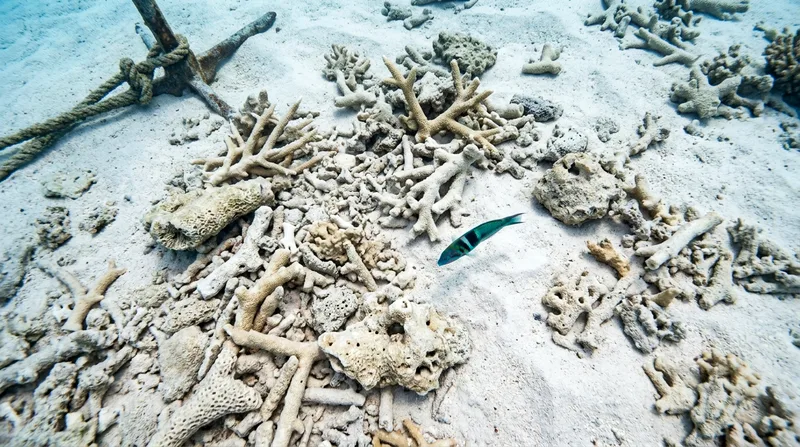
That said, protection doesn't mean untouched. Decades of boat traffic, anchor damage, and occasional coral bleaching events tied to warmer Gulf waters have left patches of dead or broken coral at the busier stops. Don't expect uniform, vivid reef — expect healthy patches mixed with grey, broken sections, particularly in the shallows where boats anchor.
Accessibility from Ko Samui
This is Angthong's real trump card. Most day tours depart from piers on Samui's west side, with a crossing time of about 1 to 1.5 hours by speedboat, or longer on a traditional wooden boat. Compare that to the Similans, which require a multi-hour drive from Phuket plus a boat crossing, or Phi Phi Islands near Krabi, which involve their own long-tail boat runs and far heavier crowds at anchor points. Angthong is a genuine day-trip from Samui with no overnight logistics needed — you're back at your hotel by late afternoon.
Top Snorkeling Spots and What to Expect
Not every Angthong tour visits the same islands, and this is where picking a tour matters more than picking "Angthong" as a destination in general.
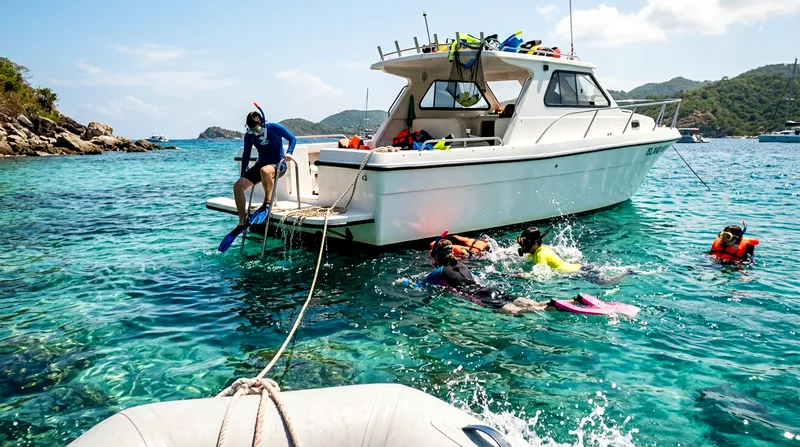
Koh Wao generally offers the best balance of coral coverage and calm water among the commonly visited Angthong snorkeling spots.
Angthong snorkeling spots compared: reef condition, visibility, and best for
| Spot | Coral Condition | Typical Visibility | Best For |
|---|---|---|---|
| Koh Wao | Moderate-good coverage | 5-8m on calm days | Families, first-timers |
| Koh Mae Ko bay | Patchy, mixed with sand | 3-6m | Combining with Emerald Lake hike |
| Koh Sam Sao | Moderate, less crowded | 4-7m | Smaller group tours |
| Koh Tai channel | Patchy, rocky | 3-6m | Calmer water, slower boats |
| Koh Phaluai area | Poor, boat-traffic affected | 2-5m | Lunch stop, not snorkeling |
Conditions vary by season and recent weather; confirm which stops a specific tour includes before booking.
Popular stop locations
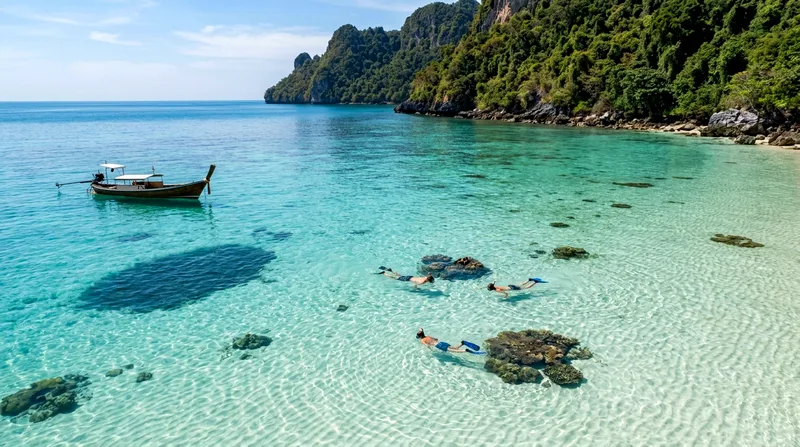
The most consistently used snorkel stop is the bay near Koh Mae Ko, home to the famous Emerald Lake (Thale Nai) viewpoint — the snorkeling here is modest, but it's paired with the park's signature hike, so almost every tour stops nearby. Koh Wao, on the park's eastern edge, tends to have the better coral coverage of the commonly visited sites and slightly calmer water, making it a good pick if your tour offers a choice. Koh Sam Sao and the channel around Koh Tai also show up on some itineraries, usually smaller operators running slower boats rather than the big speedboat groups.
Koh Phaluai, the largest island in the group and home to a small fishing community, is sometimes used as a lunch stop rather than a snorkel site — the water there is more affected by boat traffic and village runoff, so don't expect it to be a highlight.
Typical itinerary structure
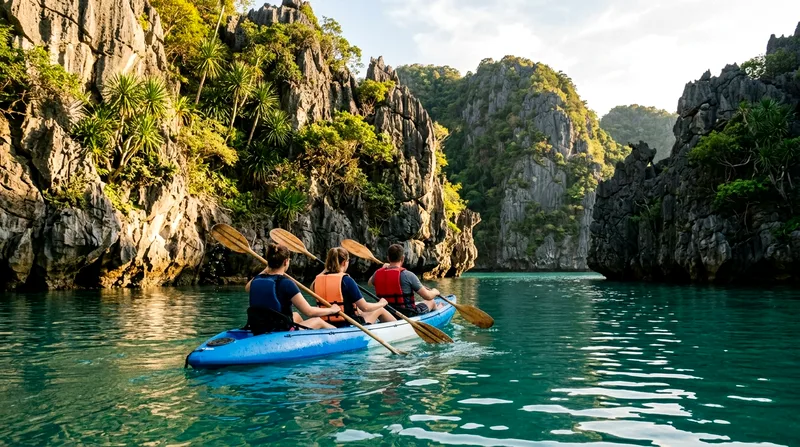
A standard full-day Angthong tour runs 8-9 hours door to door: early pickup from your hotel, a 60-90 minute boat transfer, then a rotation of two or three stops — typically one snorkel stop, the Emerald Lake viewpoint hike (roughly 30-40 minutes round trip up a steep, sometimes slippery path), and a kayaking session in a sheltered bay. Lunch is usually served buffet-style on board or on a beach. Expect only one, occasionally two, dedicated snorkel windows of about 30-45 minutes each — this isn't a multi-dive-site snorkel safari like you'd get on a dedicated Koh Tao snorkel boat.
Reef Quality and Marine Life by Location
Set expectations before you book: Angthong is not a coral reef bucket-list site. It's a reasonable, accessible reef experience layered onto an otherwise excellent scenic day out.
Coral health and coverage
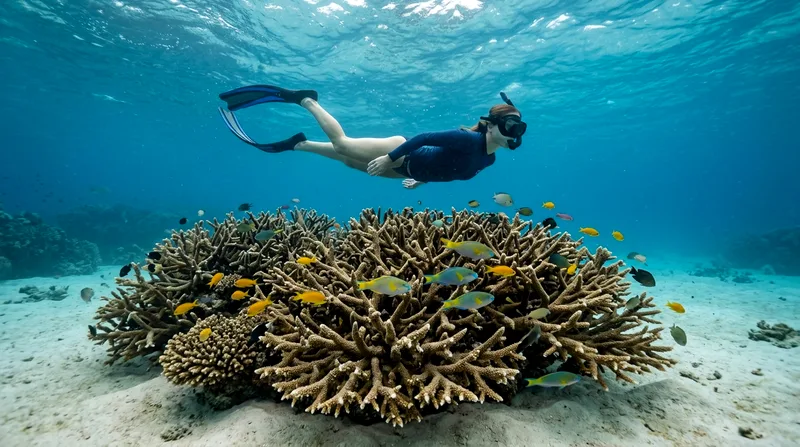
Coral at Koh Wao and the sheltered side of Koh Mae Ko shows a mix of staghorn and boulder coral with patches of healthy coverage, especially past the first 20-30 meters from shore where boat anchors and fin kicks do less damage. Closer to the anchor points, expect broken or bleached coral — this is the trade-off of popularity. If snorkel quality is your top priority over convenience, Koh Phangan's Sail Rock area or the reefs around Koh Tao generally offer denser, more continuous coral cover with less visible damage, because those sites see more dedicated dive/snorkel traffic management rather than mixed-activity day tours.
Fish species and visibility
Expect reef staples: parrotfish, damselfish, sergeant majors, occasional clownfish in small anemone patches, needlefish near the surface, and sightings of moray eels in rockier crevices. Visibility is genuinely variable — on calm days with recent dry weather you'll get 5-8 meters, which is decent; after rain or wind, it can drop to 2-3 meters with noticeable silt. This is noticeably less reliable than Similan visibility, which regularly exceeds 10-15 meters in peak season, but on par with or slightly better than many inshore Samui spots.
How to Choose the Right Angthong Boat Tour
The boat you pick matters almost as much as the islands you snorkel at.
Group tours vs private options
Standard group speedboat tours carry 20-40 passengers, cost less, and move fast between stops — fine if your priority is ticking off the viewpoint, a quick snorkel, and kayaking in one day. Larger wooden "big boat" tours are slower, sometimes more comfortable for seasickness-prone travelers, but spend proportionally less time at each stop. Private charters, typically for groups of 2-10, cost considerably more but let you choose which bay to snorkel in and linger longer — worth it for families with young children who need flexible timing, or couples wanting fewer crowds. I wouldn't recommend a private charter for solo budget travelers; the per-person cost rarely justifies itself for one extra snorkel stop.
What to look for in tour operators
Check three things before booking: whether the national park fee is included or extra, how many snorkel stops are scheduled (one versus two matters a lot), and whether mask, snorkel, and life jacket are provided or need renting on board. Avoid tours that advertise five or six stops in a single day — that's usually a sign of rushed 15-minute visits rather than genuine time in the water. Also be wary of the cheapest listings that don't mention lunch inclusion; you don't want to discover mid-trip that food costs extra. Always compare current boat tours and prices before you book, since fees and inclusions shift between operators and seasons.
Best Time to Visit for Optimal Conditions
Timing affects Angthong snorkeling more than most tours admit.
Seasonal weather patterns
The Gulf of Thailand side, where Samui and Angthong sit, runs on a different monsoon pattern than the Andaman coast (Phuket, Krabi, the Similans). Roughly December through April offers the calmest seas and the best overall tour reliability — this is high season on Samui, so boats are fuller. The shoulder months of May through September see fewer crowds and generally good weather, since the Gulf's wet season peaks later than the Andaman's. October to November brings the highest chance of rough seas and tour cancellations due to northeast monsoon influence on the Gulf — some tours cancel outright on bad-weather days, so avoid booking non-refundable slots in this window if you can help it.
Water clarity and marine activity
Clarity tends to peak in the dry stretch of the high season, particularly February and March, when runoff from Samui and Koh Phaluai is minimal. Marine activity — fish feeding near reef edges, visible anemone clusters — holds fairly steady year-round since Angthong's waters don't swing in temperature as dramatically as some Andaman sites. If you snorkel right after a storm, don't be surprised by murky water close to shore; conditions usually clear within a day or two once the silt settles.
Frequently asked questions
What snorkeling spots are included in most Angthong tours?
Most standard day tours include one snorkel stop, commonly near Koh Wao or the bay close to Koh Mae Ko, paired with the Emerald Lake viewpoint hike and a kayaking session. Fewer tours include Koh Sam Sao or Koh Tai, which tend to appear on smaller, slower-boat itineraries rather than big speedboat group tours.
Which Angthong snorkeling site has the best coral reefs?
Koh Wao typically has the healthiest, most continuous coral coverage among the regularly visited spots, especially a bit further from the anchor zone. Don't expect Similan Islands-level density — Angthong's reefs are decent but show real wear near heavily trafficked anchor points.
What marine life can you see while snorkeling in Angthong?
Expect parrotfish, sergeant majors, damselfish, occasional small clownfish in anemone patches, needlefish near the surface, and moray eels tucked into rocky crevices. Larger pelagic sightings are rare here compared with Koh Tao, since Angthong's bays are shallower and more sheltered.
Is snorkeling in Angthong Marine Park suitable for beginners?
Yes — most snorkel stops are in sheltered, shallow bays with minimal current, and life jackets are standard equipment on group tours. It's a reasonable first snorkel experience for children or nervous adults, though visibility can disappoint after rain, which might undersell the experience for a first-timer.
When is the best season for snorkeling in Angthong?
December through April offers the calmest seas and clearest water, with February and March typically the clearest stretch. October and November carry the highest risk of rough seas and cancellations due to the Gulf's northeast monsoon influence, so avoid locking in non-flexible bookings during that window.