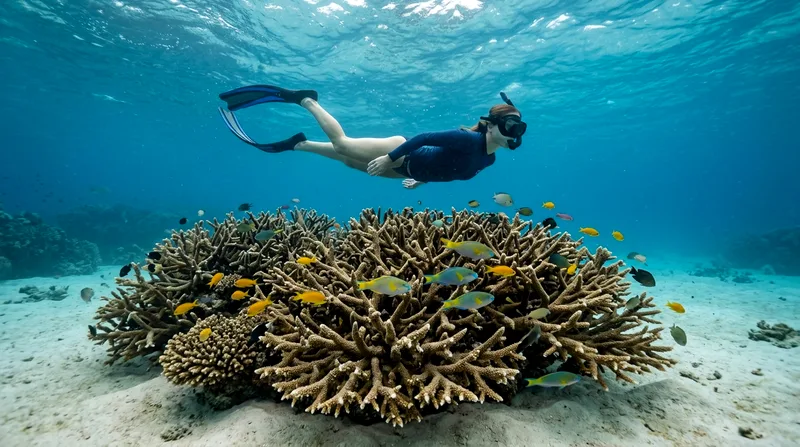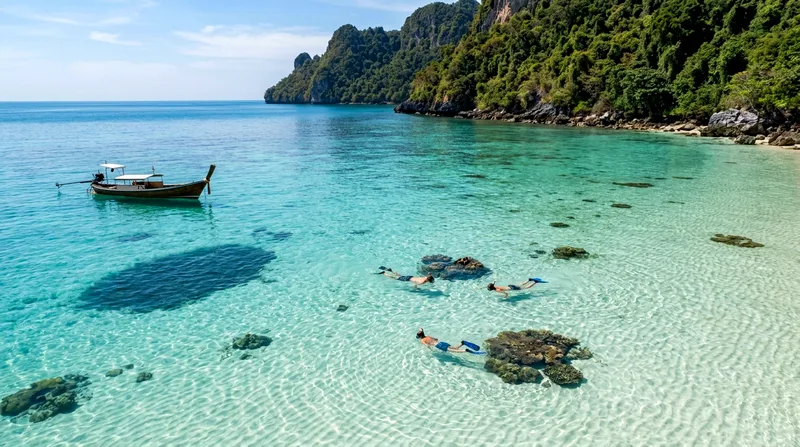
Find the Angthong Marine Park best season for boat tours. Monthly weather, water visibility, closure dates, and tips for picking the right trip window.
Angthong Marine Park Best Season: What to Know Before You Book
Timing matters more at Mu Ko Ang Thong Marine National Park than at most boat-tour destinations in the Gulf of Siam. This cluster of 42 limestone islands, about 30 nautical miles west of Koh Samui in Surat Thani Province, sits exposed to open water — meaning sea conditions swing hard between seasons. Get the timing wrong and you're looking at a bumpy, rain-lashed crossing with cloudy water and a cancelled snorkel stop. Get it right and you're looking at glassy seas, visibility past 10 meters, and views of the park's limestone cliffs that match the photos.
The short answer: the Angthong Marine Park best season runs from December through April, with March and April as the standout window. That's when the southwest monsoon has backed off, the sea flattens out, and water clarity peaks. The rest of the year brings rougher conditions and a higher chance of boats skipping the trip altogether, or the park closing some zones outright. The rest of this guide breaks down why, month by month, so you can book around the weather instead of around guesswork.
Dry Season: Peak Months for Boat Tours
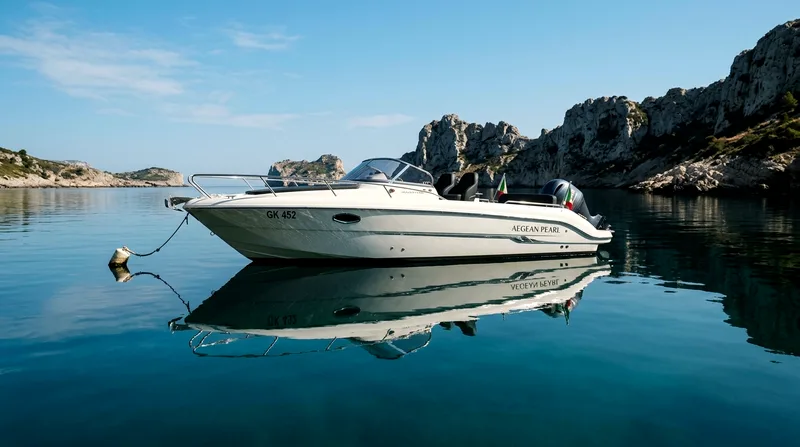
Angthong's dry season doesn't follow the same calendar as Phuket or Krabi on the Andaman side — the Gulf of Siam runs on an inverted pattern. While the Andaman coast gets its wet season roughly May through October, Koh Samui and Angthong catch their heaviest rain later, from October into December, then dry out from January onward. This quirk trips up a lot of travelers who assume Thailand has one uniform rainy season. It doesn't, and booking an Angthong tour based on general "Thailand weather" advice is a common mistake.
December Through April Overview
From December through April, Angthong sees its driest, calmest stretch. Rainfall drops sharply after the October–November peak, winds ease, and the sea state in the park typically sits at calm to slight — manageable for most boats, including the slower wooden long-tails some operators still use for island-hopping legs. Daytime temperatures hover around 28-32°C, with little humidity spike compared to the muggier shoulder months. Almost all scheduled boat tours from Koh Samui and Nathon pier run without disruption during this window, and cancellation rates due to weather are low.
Why March and April Stand Out
If you can only pick two months, make them March and April. By this point the northeast monsoon's residual swell has fully died down, but the southwest monsoon hasn't started building yet — it's the calm gap between two weather systems. Water visibility is typically at its best, seas are closest to flat, and you get long dry spells with minimal cloud cover for photos of the limestone karsts. The trade-off is heat: April is also the hottest month in the Gulf of Siam, often pushing past 34°C with strong midday sun, so sun protection and hydration matter more than usual on an open boat.
Month-by-Month Weather and Sea Conditions
Breaking the year into three rough bands makes planning easier than trying to memorize twelve separate forecasts.
March and April offer the calmest seas and clearest water, while September and October bring the roughest conditions and highest cancellation risk.
Angthong Marine Park best season by month: weather, visibility, and sea conditions compared
| Period | Sea Conditions | Water Visibility | Rainfall | Best For |
|---|---|---|---|---|
| Dec-Feb | Moderate, improving | Good (6-9m) | Low-moderate | Cooler weather, fewer crowds early Dec |
| Mar-Apr | Calm, flattest of year | Best (8-12m) | Very low | Snorkeling, photography, clear skies |
| May-Jun | Building swell | Fair (5-8m) | Rising | Lower prices, lighter boats |
| Jul-Aug | Choppy, variable | Reduced (4-6m) | Moderate-high | Off-season flexibility |
| Sep-Oct | Roughest, monsoon peak | Poor (3-5m) | Highest | Avoid if prone to seasickness |
| Nov | Unsettled, transitioning | Variable (4-7m) | High, tapering | Budget travelers willing to gamble |
Figures are typical seasonal patterns, not guarantees — conditions vary year to year, so check forecasts and current tour status before booking.
December to February Conditions
December starts choppier as the tail end of the northeast monsoon lingers, but by mid-January seas settle noticeably. January and February are reliably dry, with occasional brisk wind that can kick up light swell in the afternoon. Water temperature sits around 27-28°C — comfortable for snorkeling without a wetsuit. This period is popular with European travelers escaping winter, so boats fill up; book a few days ahead rather than walking up to a pier counter.
March to April Optimal Window
This is the sweet spot described above — flat seas, minimal rain, strong visibility. The only real downside is heat and UV exposure, plus slightly higher tourist volume as Europe's Easter break overlaps with this window. If you're sensitive to crowds, early March beats mid-April.
May to November Patterns
May brings the first stirrings of the southwest monsoon, and from June through September you'll see more wind-driven chop, intermittent rain squalls, and reduced visibility from runoff and stirred sediment. September and October often bring the heaviest rainfall totals of the year in this part of the Gulf of Siam, and November can still be unsettled before the dry season resets in December. Tours still run through most of this stretch, but delays, rerouted itineraries, and shortened snorkel stops become more common.
Water Visibility and Snorkeling Windows
Visibility is the detail most trip reports skip, but it's the one that actually determines whether your snorkeling stop is worth the boat ride.
Clarity Metrics by Season
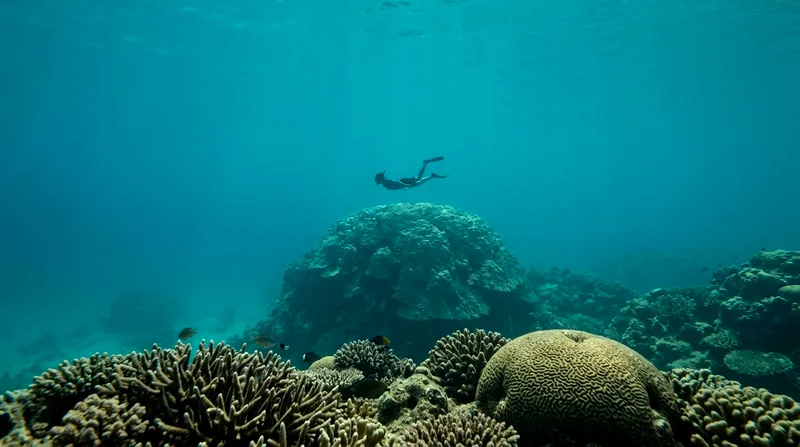
During the dry season, especially February through April, underwater visibility at Angthong's main snorkel sites — around Koh Mae Ko and the Emerald Lake viewpoint bay — commonly reaches 8-12 meters on calm days. During the wet months, sediment runoff and wave action can cut that down to 3-5 meters, sometimes less right after a storm. This isn't a minor cosmetic difference — at low visibility, much of the coral and fish life becomes a grey blur rather than something you'd bother putting a mask on for.
Marine Life Viewing Opportunities
Clearer water in the dry months also means better odds of spotting reef fish, occasional reef sharks near deeper drop-offs, and the small schools that gather around the limestone bases. Marine life doesn't disappear in the rainy season, but sightings become harder to confirm visually and some operators shorten or skip snorkel stops when swell picks up. If snorkeling is your main reason for going, treat visibility data as more important than air temperature when picking dates.
Rainy Season Challenges and Closures
The rainy months aren't a flat no, but they come with real trade-offs worth weighing before you book.
Southwest Monsoon Impact
From roughly May through October, the southwest monsoon pushes swell into the Gulf of Siam, and Angthong's exposed position means boats feel it more than sheltered bays around Koh Samui or Koh Phangan. Expect choppier crossings, a higher chance of being confined to the boat's covered deck, and occasional itinerary changes where the operator swaps a planned kayaking stop for a calmer bay. Seasickness risk goes up noticeably compared to a March crossing — if you're prone to it, this is the one detail that should make you reconsider timing.
Park Maintenance and Closure Dates
Thai national parks periodically close for environmental recovery, and some Gulf of Siam parks — including occasional closures tied to the National Park Department's seasonal rest periods — can affect specific zones or viewpoints within Mu Ko Ang Thong rather than shutting the whole park. These closures aren't always announced far in advance and can shift year to year, so always check current park status when booking rather than relying on a fixed closure calendar. Booking platforms like KKday, Peek, or Trip.com typically reflect real-time availability and will show if a particular route is suspended.
Peak Season vs. Off-Season Comparison
Neither season is universally "better" — it depends what you're optimizing for, price or conditions.
Crowd Levels and Booking Ease
December through April is high season across Koh Samui generally, and Angthong tours fill accordingly — popular morning departures can sell out a day or two ahead during February and March. Off-season (June through September) means smaller groups, easier last-minute booking, and quieter viewpoints at Koh Mae Ko. If you dislike crowded boats, off-season has a genuine upside that's easy to overlook when everyone tells you to "go in dry season."
Cost and Availability Differences
Prices for standard Angthong day tours from Koh Samui generally run in a similar band year-round — commonly somewhere in the 1,500-2,500 THB range for a shared speedboat trip — but off-season sometimes brings modest discounts or add-on perks as operators compete for fewer customers. The bigger cost risk in rainy months isn't price, it's wasted spend on a tour that gets cut short or rerouted due to weather. Always check current prices and cancellation policies when booking, since conditions-based changes are common outside the dry season.
Frequently asked questions
What is the best month to visit Angthong Marine Park?
March and April typically offer the calmest seas, clearest water (often 8-12 meters visibility), and the lowest chance of weather-related tour cancellations. If crowds bother you, late February is a close second with fewer tourists and nearly as good conditions.
When is Angthong Marine Park closed?
There's no single fixed annual closure for the whole park, but specific zones or viewpoints within Mu Ko Ang Thong can close temporarily for environmental rest periods, and tours can be suspended during severe southwest monsoon weather, typically between July and October. Check current status directly with a booking platform or the park before finalizing travel dates.
What months have the best water visibility for snorkeling?
February through April consistently deliver the clearest water, with visibility commonly reaching 8-12 meters at main snorkel sites near Koh Mae Ko. From June onward, sediment and wave action from the southwest monsoon can cut that down to 3-5 meters.
When is the dry season at Angthong Marine Park?
The dry season runs roughly December through April, which is the opposite pattern from Thailand's Andaman coast. This is due to Angthong's location in the Gulf of Siam, where the wet season peaks later, around October and November.
What are sea conditions like during rainy season?
From around May through October, the southwest monsoon brings choppier seas, more frequent swell, and occasional squalls that can shorten or reroute boat tours. September and October tend to be the roughest months, with the highest rainfall and the greatest risk of a cancelled or altered itinerary.