Hour-by-hour Koh Tao Koh Nangyuan itinerary from Samui. Speedboat schedule, snorkel stops, lunch timing, and return logistics for one full day.
Who This Itinerary Is For
A one-day speedboat tour from Ko Samui to Koh Tao and Koh Nangyuan combines snorkeling, island exploration, and lunch into a single long but satisfying day. This Koh Tao Koh Nangyuan itinerary from Samui works best for travelers who can handle around five to six hours of combined boat travel for roughly four hours of actual time on and around the islands.
If you're a confident swimmer who wants to see two of the Gulf of Thailand's clearest reef systems without booking a multi-night stay on Koh Tao, this is the efficient option. Couples and solo travelers tend to get the most out of it — you can move at your own pace during snorkel stops rather than coordinating with kids or elderly relatives.
Families with young children should think twice. The speedboat crossing from Samui runs roughly 1.5 to 2 hours each way depending on sea conditions, and toddlers rarely tolerate that well. Senior travelers with knee or back issues may also struggle — speedboats bounce more than larger ferries, and boarding at Koh Nangyuan sometimes means wading from boat to shore.
Compare this to a day trip from Phuket to the Similan Islands, which involves a similarly long transfer but calmer, more sheltered snorkel sites. Or Krabi's Hong Islands tours, which cram in more stops but shallower, less dramatic reef. Samui to Koh Tao sits in between — fewer stops, but arguably the best overall coral density in the region covered by this route.
European travelers used to Mediterranean day-trip distances should recalibrate expectations. This isn't a 40-minute hop like Capri from Naples — it's closer to crossing the English Channel twice in a day, just by speedboat instead of ferry.
Hour-by-Hour Day Schedule
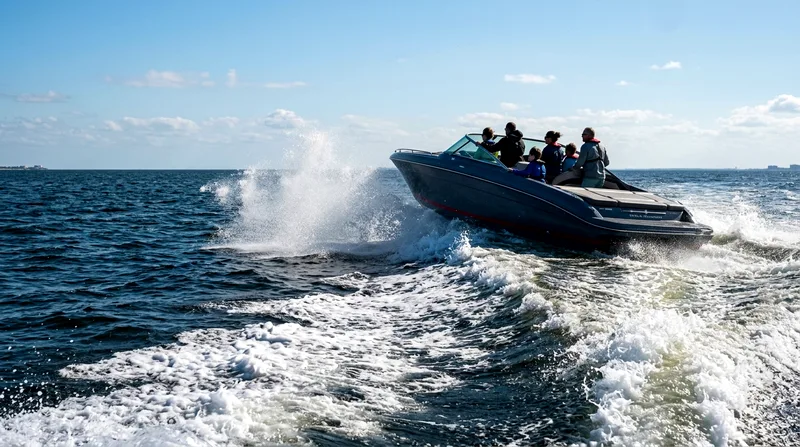
Most operators running this Koh Tao day trip schedule from Samui follow a similar structure, even if exact departure times shift slightly by season and tide. Below is the realistic shape of the day — treat clock times as approximate and always confirm specifics when booking.
The day runs roughly 10 to 11 hours door-to-door, with actual island and snorkel time totaling about 4 hours.
Koh Tao Koh Nangyuan itinerary from Samui: timeline, stops, and logistics compared
| Stage | Approx. Time | Duration | Key Logistics |
|---|---|---|---|
| Hotel pickup | 6:00–6:30 AM | 30–45 min | Minivan collects from resort |
| Speedboat departure | 7:00–7:30 AM | 1.5–2 hr crossing | Depart near Maenam or Big Buddha Pier |
| First snorkel stop | 9:00–9:30 AM | 45–60 min | Vests and masks usually provided |
| Koh Nangyuan lunch and free time | 11:00 AM–12:30 PM | 1.5 hr | Packed Thai set lunch |
| Second snorkel stop | 1:00–2:30 PM | 30–45 min | Often Japanese Garden Reef |
| Return speedboat | 3:00 PM | 1.5–2 hr crossing | Back to Samui pier |
| Hotel drop-off | 4:30–6:00 PM | 30–60 min | Last drop-offs farther from pier |
Times vary by operator, tide, and season — confirm exact pickup and departure windows when booking.
Morning: Pickup and Speedboat Departure
Expect hotel pickup between 6:00 and 6:30 AM, which is early but necessary — the speedboat itself typically departs from a pier near Maenam Beach or Big Buddha Pier around 7:00 to 7:30 AM. Minivans collect guests from resorts across the island, so if you're staying in Lamai or Chaweng, add 20–30 minutes of extra transfer time compared to guests based near Maenam. Bring a light jacket; the ride out is often the coolest, windiest stretch of the day, and spray over the bow is common even in calm weather.
Mid-Morning: First Snorkel Site
After roughly 1.5 to 2 hours at sea, the boat usually reaches Koh Nangyuan or a nearby reef around 9:00 to 9:30 AM. This early slot matters — arriving before the bulk of day-tripping boats from Koh Tao itself means clearer water and fewer fins kicking up sand. Expect 45 minutes to an hour in the water here, with masks, snorkels, and life vests typically provided but not always fins — check this when booking if you prefer your own gear.
Afternoon: Island Time and Lunch
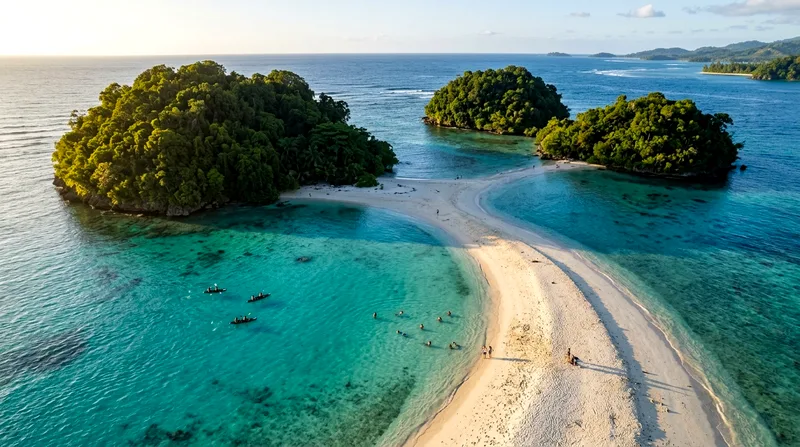
Around 11:00 AM to 12:30 PM, most itineraries shift to Koh Nangyuan's sandbar for free time and lunch. This is the postcard moment — three small islands connected by a narrow strip of sand, with shallow turquoise water on both sides. Lunch is usually a packed Thai set menu (fried rice, noodles, fruit, sometimes grilled chicken) eaten on the beach or a shaded platform rather than a restaurant. Don't expect much variety; this isn't the meal to plan around if you have specific dietary needs beyond basic vegetarian requests, which most operators can accommodate with advance notice.
Late Afternoon: Second Snorkel Stop
Between roughly 1:00 and 2:30 PM, the boat typically moves to a second site — often Japanese Garden Reef off Koh Tao's coast, or occasionally Tanote Bay depending on wind direction that day. This slot runs shorter, usually 30 to 45 minutes, since the return crossing needs to start with enough daylight buffer. By this point the water around popular sites gets busier with boats from Koh Tao's own dive shops, so visibility can dip compared to the morning session.
Evening: Return to Ko Samui
Departure back toward Samui usually happens by 3:00 PM, with arrival back at the pier around 4:30 to 5:00 PM, followed by minivan drop-offs at hotels through about 5:30 or 6:00 PM. Fatigue hits hard on this leg — sun, saltwater, and motion add up. If you're staying in Bophut or Chaweng, you'll likely be among the last dropped off, so pack something to eat on the ride if lunch didn't fill you up.
Snorkeling Stops and Marine Life
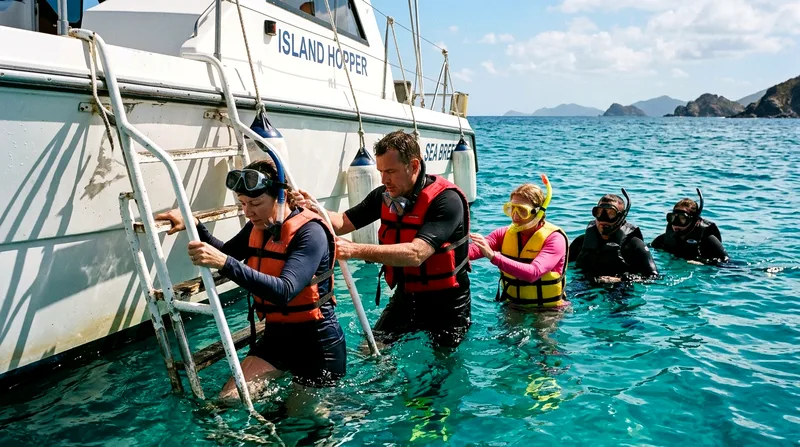
The snorkeling is the actual reason to do this trip rather than stick to Samui's own waters, which are mostly sandy-bottomed and low on coral. Koh Tao and Koh Nangyuan sit in a different category — closer in quality to what you'd find around Koh Lanta's outer islands or the Phi Phi Islands' Maya Bay surroundings, minus the crowds of boats at Maya Bay specifically.
Japanese Garden Reef Highlights
Japanese Garden Reef, on Koh Nangyuan's northeast side, is shallow — often just 1 to 4 meters deep — which makes it forgiving for weaker swimmers and great for visibility on calm days. Expect staghorn and table corals, parrotfish, clownfish, and frequently small blacktip reef sharks resting near the sandy patches, though sightings aren't guaranteed. The shallow depth is a double-edged sword: beautiful for photos, but it also means more fin damage from careless snorkelers over the years, so some coral patches look more battered than you'd expect from photos online.
Tanote Bay and Lighthouse Bay
Tanote Bay, on Koh Tao's east coast, occasionally substitutes as a stop depending on operator and wind conditions — it's known for more fish variety but slightly lower coral coverage than Japanese Garden. Lighthouse Bay, near Mango Bay on the northwest side, is less commonly included on day-trip routes but worth asking about if you're booking a more flexible, smaller-group tour. It tends to have calmer water and fewer boats, though the trade-off is it adds extra transit time that a tight day schedule often can't absorb.
Getting Around and Logistics
Logistics make or break this trip more than the snorkeling does. The speedboat tour from Samui to Koh Tao covers roughly 60 to 65 kilometers of open water each way, and sea conditions between November and January can add real chop, particularly during the tail end of the northeast monsoon.
Speedboat Journey Duration and Comfort
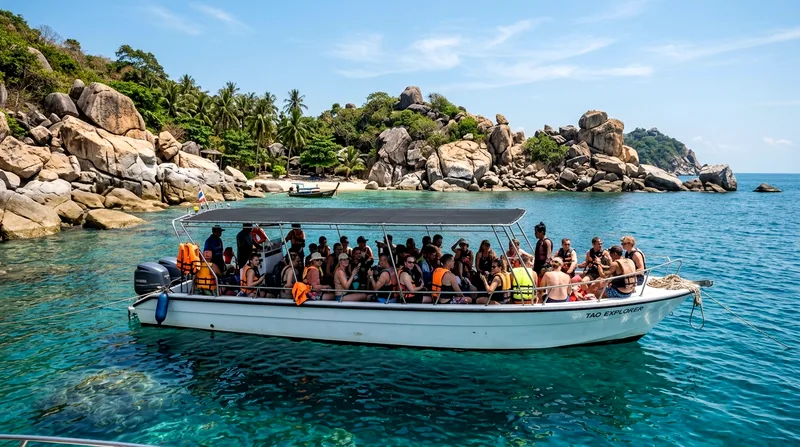
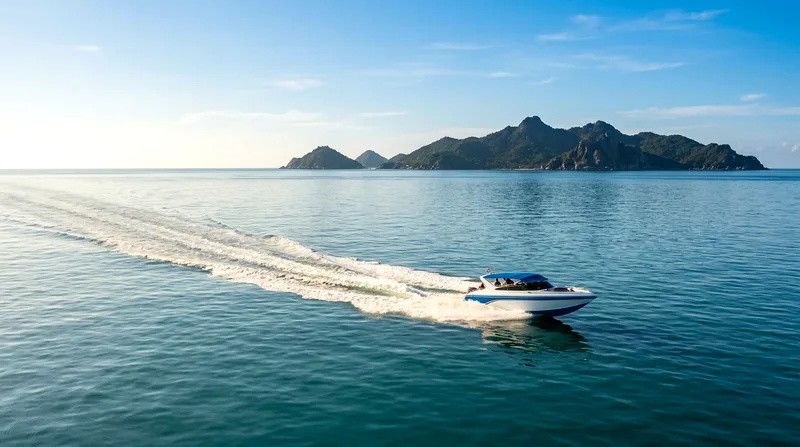
Figure 1.5 to 2 hours each way, seated in a covered speedboat with rows of bench seating — not especially comfortable for anyone over 6 feet tall or with lower back issues. Compare this to the ferry route between Koh Samui and Koh Phangan, which takes only 30 to 45 minutes; the Koh Tao crossing is a different scale of commitment entirely. If you get seasick, take medication at least 30 minutes before departure, not after symptoms start — by then it's largely too late. Sitting toward the back and center of the boat reduces bouncing compared to the bow seats.
Hotel Pickup and Drop-off Details
Pickup zones usually cover Maenam, Bophut, Chaweng, and Lamai, with Maenam guests getting the earliest, shortest transfer since most speedboats depart from piers on Samui's north side. If you're staying in Lamai or the southern coast, confirm pickup time carefully — a 45-minute van ride before a 2-hour boat ride makes for a long start. Hotels outside these main zones, like those near Taling Ngam or Lipa Noi, may not be covered at all, so check pickup radius before booking rather than assuming.
Where to Base Yourself in Samui
If you already know you want to do this day trip, book accommodation in Maenam Beach or Bophut rather than Chaweng or Lamai. The time saved on pickup and drop-off — easily 45 minutes to an hour round trip — matters when your day already starts before sunrise and ends past 5 PM.
Maenam is quieter and less built-up than Chaweng, which suits couples and senior travelers who don't need nightlife, just a convenient base. Bophut, with its Fisherman's Village, offers a middle ground — decent restaurants for a recovery dinner after a long day on the water, and still a short hop to northern piers.
Chaweng and Lamai are fine if nightlife or beach width matters more to you than shaving time off this one excursion. Just accept you'll be in the van longer, and you'll be tired earlier in the evening than people based up north. World travelers treating Samui as one stop on a longer Thailand loop — pairing it with Krabi or the Phi Phi Islands later — should weigh whether a long Koh Tao transfer is worth it versus simply moving on to Koh Tao for a night or two instead.
Booking and Optional Experiences
Book the speedboat tour to Koh Tao and Koh Nangyuan at least a few days ahead, especially during high season (December to March), when boats fill up and weather cancellations push bookings onto already-full departures. Platforms like GetYourGuide and Klook list multiple operators running near-identical routes — compare what's included (snorkel gear, lunch, national park fee for Koh Nangyuan, which runs about 100 THB per person paid on arrival) rather than just the headline price.
Bad-weather alternative: if the forecast shows strong northeast winds or a small craft advisory, ask about switching to a Samui-based snorkeling tour around Koh Matlang or the Ang Thong Marine Park instead — shorter crossings, more sheltered water. Tired-legs alternative: skip the second snorkel stop and stay on Koh Nangyuan's beach instead; most operators allow this without issue, you just tell the crew before the second departure.
One thing to avoid: don't book the cheapest listed option without checking group size. Some budget operators pack 40+ passengers onto one boat, which turns snorkel stops into a crowded scramble for mask space. A smaller-capacity boat costs a bit more but makes the whole day noticeably more pleasant. Compare current boat tours and prices before you book, and read the inclusions line by line rather than trusting the summary photo.
Frequently asked questions
What time does the day trip depart from Ko Samui?
Most speedboat tours depart the pier between 7:00 and 7:30 AM, after a hotel pickup around 6:00 to 6:30 AM. Exact timing depends on the operator and your hotel's distance from the pier — guests near Maenam or Bophut get the latest, shortest pickup window.
Where are the best snorkeling spots on Koh Tao and Koh Nangyuan?
Japanese Garden Reef off Koh Nangyuan is the standout — shallow, calm, and reliable for coral and reef fish sightings. Tanote Bay on Koh Tao's east side is a common alternate stop with more fish variety but slightly less coral coverage.
How long is the speedboat journey from Ko Samui?
Expect 1.5 to 2 hours each way, covering roughly 60 to 65 kilometers of open water. Conditions during the November to January monsoon tail can extend this and make the ride choppier than calmer months.
What is included in the lunch?
Lunch is typically a packed Thai set menu — fried rice or noodles, fruit, and sometimes grilled chicken — eaten on Koh Nangyuan's beach or a shaded platform. It's functional rather than memorable, so confirm vegetarian or dietary options in advance if needed.
Is Koh Nangyuan worth visiting on a day trip?
Yes, largely for the sandbar connecting its three islets and the calm, shallow water around it, which makes for easy snorkeling and good photos. Note that Koh Nangyuan charges a separate entrance fee, roughly 100 THB per person, usually paid in cash on arrival.