Samui snorkeling tour what to bring: reef-safe sunscreen, dry bags, motion sickness remedies, and what operators actually provide on board.
What to Bring on a Samui Snorkeling Boat Tour
Figuring out what to bring on a Samui snorkeling tour matters more than most first-timers expect, because a day boat trip out of Ko Samui — whether it's a half-day run to the reefs off Koh Tan or a full-day Ang Thong National Marine Park excursion — puts you on open water for six to eight hours with no shop, no shade option beyond the boat canopy, and no do-overs if your phone gets soaked ten minutes in. The right packing list isn't about gear snobbery. It's about not spending the afternoon sunburned, nauseated, or filming the fish through a cracked waterproof case you bought the night before from a 7-Eleven.
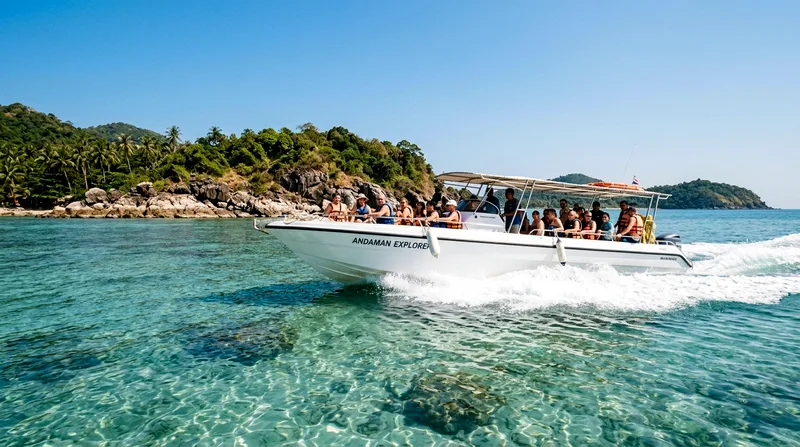
Compare this to a Phi Phi Islands speedboat day, which tends to be shorter and closer to shore, or a slower Ang Thong itinerary that includes kayaking and a viewpoint hike — the packing needs shift depending on how long you're exposed to sun and swell. Samui's longer loops, especially anything touching Ang Thong (roughly 1.5–2 hours each way by speedboat from Samui's piers), mean sun exposure and motion sickness risk are higher than on a quick Koh Lanta snorkel stop. Pack for the longest, roughest version of your itinerary, not the brochure photo.
Essential Clothing and Swimwear for a Ko Samui Boat Tour
Wear your swimsuit under your clothes before you leave the hotel — most boats have a cramped single changing area, if any, and you don't want to be that person holding up the queue. Quick-dry shorts and a breathable shirt over the swimsuit work better than jeans or anything cotton, which stays wet and chafes for the rest of the day once seawater and sunscreen get into the mix.
A light long-sleeve layer earns its space in the bag even during the hot season (roughly March to September) because Samui sun at midday on open water is sharper than it feels, and the breeze off the boat masks how much you're burning. From October to December, Samui sits in its rainier window with choppier seas — a light waterproof jacket is worth the space more than swimwear variety.
Rashguards and Wetsuits
A rashguard is the single best clothing upgrade for a snorkeling day here — full-coverage ones with SPF 50 built in cut your sunscreen reapplication needs by half and prevent the stinger-and-sunburn combo on your shoulders and lower back that ruins the second half of a trip. Water temperature around Samui typically sits between 27–29°C (80–84°F) year-round, so a full wetsuit is overkill; a 1-2mm shorty or rashguard with leggings is enough for anyone who chills easily or burns fast. Don't bother packing a thick wetsuit meant for Similan Islands diving conditions — it's unnecessary weight for Samui's warm, shallow reef snorkeling.
Footwear and Water Shoes
Water shoes or reef sandals matter more at Samui's rockier snorkel spots — around Koh Tan and parts of Ang Thong — where entry points can mean stepping over coral rubble or uneven rock rather than soft sand. Flip-flops are fine for the boat deck but useless in the water and easy to lose off the side. Skip anything with laces; slip-on neoprene booties dry fast and pack flat, and they're the one item solo travelers consistently forget and then regret.
Sun Protection and Reef-Safe Sunscreen in Ko Samui
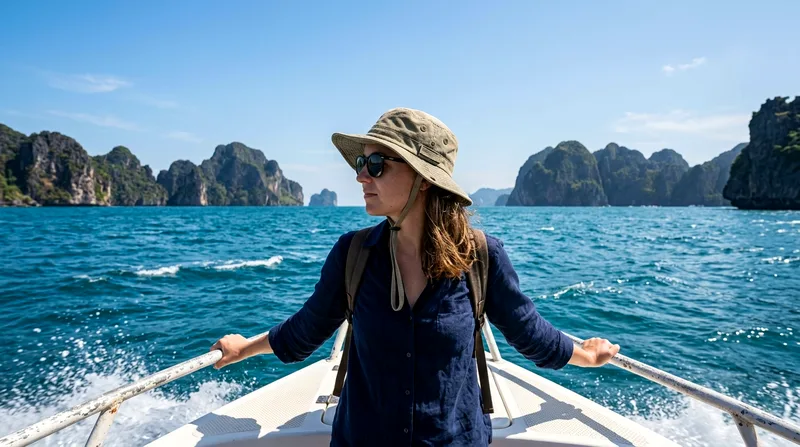
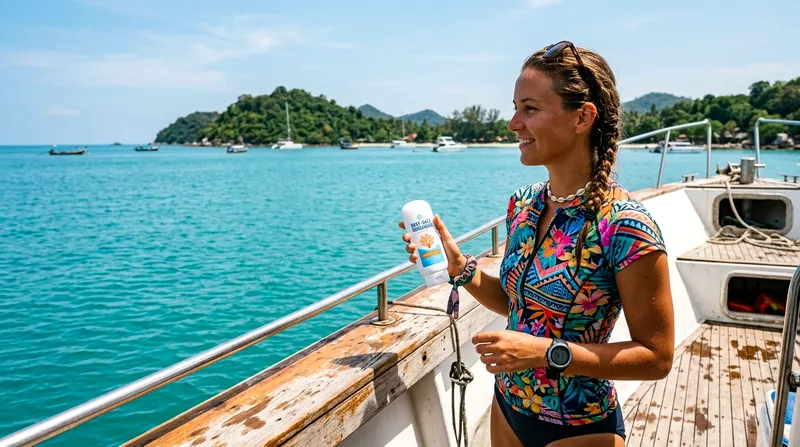
Sun exposure is the thing most visitors underestimate on a Samui boat tour, and it's also the easiest to fix for under a couple of hundred baht. A wide-brim hat with a chin strap, polarized sunglasses with a retainer strap, and reef-safe sunscreen applied before you board — not after you're already on the water — cover most of the risk. Reapply every two hours minimum, and more often if you've been in the water, since even "water-resistant" formulas wash off faster than labels suggest.
SPF Recommendations and Application
SPF 30 to 50 is the practical range; higher numbers offer diminishing returns and often cost more for marginal extra protection. Apply it twenty minutes before you get in the sun so it has time to bind to skin, not right as you're stepping onto the boat. Pay particular attention to the back of the neck, tops of feet, and ears — the spots everyone forgets and the ones that end up peeling three days later.
Reef-Safe Ingredients to Prioritize
Look for mineral-based sunscreens using non-nano zinc oxide or titanium dioxide, and actively avoid oxybenzone and octinolate, both linked to coral bleaching and banned in some marine park zones across Thailand, including parts of Ang Thong. Several pharmacies and convenience stores in Chaweng and Lamai now stock reef-safe options, but stock is inconsistent — buying one before arriving in Samui, rather than hoping to find it at the pier, is the safer move. A thick, white mineral sunscreen isn't glamorous, but it works and it doesn't contribute to reef damage the way a cheap spray-on does.
Waterproof Storage for Valuables on a Samui Boat Tour
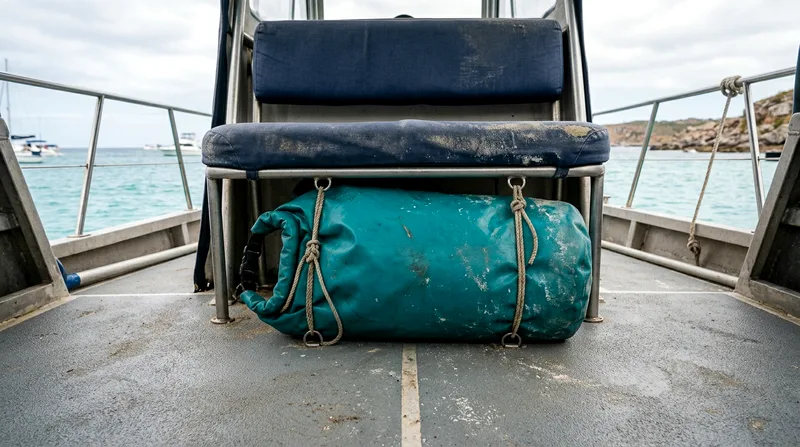
Spray, splash, and the occasional wave over the bow are guaranteed on any open boat, and a surprising number of tourists lose phones, passports copies, or cash to a single rogue wave they didn't see coming. A proper dry bag isn't optional gear — it's the difference between a dry phone and a $600 mistake.
Dry Bag Types and Sizes
A 5-10 liter roll-top dry bag is the right size for a day trip — big enough for a phone, wallet, small towel, and sunscreen, small enough to stash under a seat without becoming a tripping hazard. Look for welded seams rather than stitched ones; stitched seams leak under pressure, which is exactly what happens when the bag gets crushed under gear during a bumpy crossing. Skip the oversized 20L+ bags unless you're bringing a change of clothes for an overnight add-on — they're bulky and awkward on a crowded speedboat.
Phone Protection Options
A dedicated waterproof phone pouch, the kind with a clear front for touchscreen use, is worth carrying in addition to the dry bag if you want photos during the ride rather than just at anchor. Test it before you leave the hotel — submerge it in a sink for a minute and check for moisture, because a faulty seal is worse than no protection at all since it gives false confidence. Floating phone cases are a smart add-on for anyone nervous about dropping a phone over the side while reaching for a shot.
Snorkeling Gear Checklist for Thailand Waters
Most Samui snorkeling boat tours include mask, snorkel, and fins as standard, and for a one-off trip that's genuinely enough — don't feel pressured to buy a full kit for a single day in the water.
Operators typically cover basic snorkel gear and life jackets, but sun protection, motion sickness remedies, and phone protection are almost always on you.
Samui snorkeling tour packing checklist: what to bring vs. what's usually provided
| Item | Usually Provided? | Bring Your Own If... | Approx. Cost to Buy |
|---|---|---|---|
| Mask, snorkel, fins | Yes, standard | Poor fit, glasses, frequent snorkeler | Set: 500-1,500 THB |
| Life jacket | Yes, mandatory | Rarely needed | N/A |
| Reef-safe sunscreen | Rarely | Always bring your own | 250-600 THB |
| Dry bag (5-10L) | No | Always bring your own | 300-800 THB |
| Waterproof phone pouch | No | Always bring your own | 150-500 THB |
| Motion sickness tablets | No | Prone to seasickness | 50-150 THB |
| Towel | Sometimes | Budget tours often skip it | 100-300 THB |
| Rashguard | No | Fair skin, long sun exposure | 400-900 THB |
Typical figures based on standard Thailand retail prices; always confirm inclusions directly with the operator before booking.
Mask, Snorkel, and Fins
Operator-supplied masks are functional but rarely fitted to your face, and a poor seal is the single biggest reason people say they "don't like snorkeling" when really they just inhaled seawater for twenty minutes. If you wear glasses or have a narrow face, this is where bringing your own gear pays off. Fins provided on tours tend to be basic open-heel designs sized in bulk — fine for calm water, less fine if currents pick up near Ang Thong's outer islands.
When to Bring Your Own Gear
Bring your own mask if you've had fit or fogging issues before, wear prescription lenses, or simply snorkel often enough that comfort matters. A silicone anti-fog mask with a dry-top snorkel costs modestly more than a budget set but solves 90% of first-timer complaints. Don't bother bringing your own fins — they're bulky to pack and the provided ones are adequate for the gentle currents typical of Samui's main snorkel stops, unlike the stronger currents sometimes found around Similan Islands dive sites further south.
Motion Sickness Prevention on a Samui Boat Tour
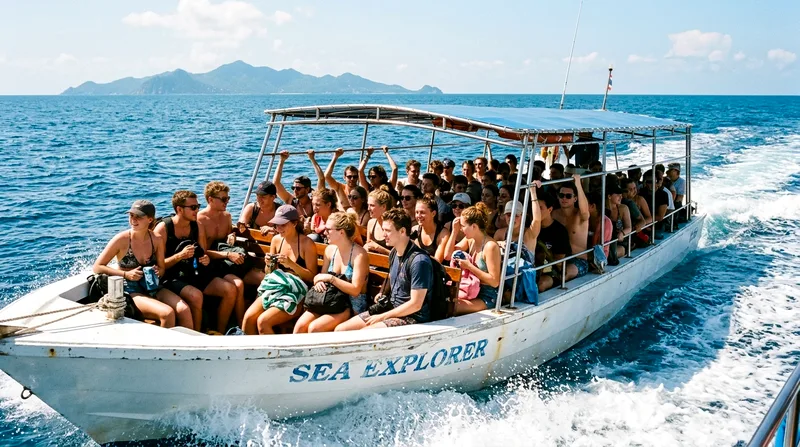
Longer Samui routes, especially Ang Thong day trips crossing open water for over an hour each way, produce real seasickness in a meaningful share of passengers, including people who never get carsick. The Gulf of Thailand can turn choppy with little warning during the shoulder months, so prevention beats cure here.
Medication and Natural Alternatives
Standard over-the-counter motion sickness tablets (dimenhydrinate or meclizine, sold widely in Samui pharmacies) work best taken 30-60 minutes before departure, not after you already feel queasy. Ginger — as capsules, candy, or tea — is a mild, genuinely effective backup for borderline cases and has no drowsiness side effect, which matters if you want to snorkel alert rather than groggy. Acupressure wristbands are low-cost and worth packing as a backup, though the evidence for them is mixed at best.
Pre-Tour Preparation Tips
Eat a light meal before boarding — greasy or heavy food an hour before a bumpy crossing is a bad combination. Sit toward the back-center of the boat where motion is less exaggerated, and keep your eyes on the horizon rather than a phone screen during the crossing. Skip alcohol until the trip's over; a beer at 10am feels harmless until the boat hits open swell and your inner ear disagrees.
What Samui Boat Tour Operators Typically Provide
Most mid-range and budget Samui snorkeling tours booked through platforms like GetYourGuide or found via TripAdvisor listings include a broadly similar package, though quality varies more than the marketing suggests.
Standard Inclusions and Variations
Expect snorkel mask, snorkel, and fins, a life jacket, and usually lunch on full-day trips — often a simple fried rice or noodle buffet. Ang Thong trips frequently add kayaking equipment for an hour or two among the park's limestone formations. Life jackets are mandatory on Thai tour boats by regulation, and reputable operators enforce this even for strong swimmers, which is the right call given how fast currents can shift near the park's narrower channels. Quality still varies: some boats carry well-maintained PADI-adjacent safety kits and recently serviced gear, others run older fins with split straps — a visible sign of an operator cutting corners.
What to Confirm Before Booking
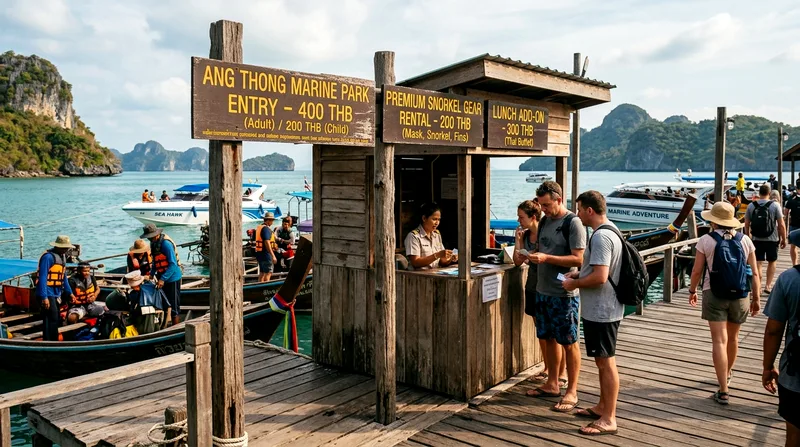
Ask directly whether sunscreen, towels, and drinking water are included — many budget tours charge extra or expect you to bring your own, and not all listings make this clear upfront. Confirm whether the national park entrance fee for Ang Thong (charged separately by Thai authorities, typically a few hundred baht for foreign visitors) is included in the quoted price or added at the pier. Compare this against a Phuket-based Similan Islands trip, where park fees and gear policies are usually spelled out more clearly simply because the route is more heavily regulated — Samui operators are a bit more inconsistent about disclosure, so it's worth messaging to confirm before you pay.
Frequently asked questions
What should I wear on a Samui snorkeling boat tour?
Wear your swimsuit under quick-dry shorts and a breathable shirt, and pack a rashguard for sun protection in the water. Add a light jacket if traveling between October and December, when seas are choppier and brief showers are more common. Avoid cotton clothing entirely — it stays wet all day and causes chafing once sunscreen and salt water mix in.
Do I need to bring my own snorkel gear?
No, most Samui tours include mask, snorkel, and fins in the price, and for a single day trip this is usually fine. Bring your own mask only if you've had fit problems before, wear glasses, or snorkel often enough to care about comfort — a well-fitted mask with an anti-fog coating solves most first-timer complaints about water getting in.
What is reef-safe sunscreen and why does it matter?
Reef-safe sunscreen uses mineral active ingredients like non-nano zinc oxide instead of chemical filters such as oxybenzone and octinolate, which are linked to coral bleaching and restricted in parts of Ang Thong National Marine Park. Buy it before arriving in Samui if possible, since stock at convenience stores near the piers is inconsistent, and apply it twenty minutes before you get in the sun.
How do I prevent motion sickness on a boat tour?
Take an over-the-counter motion sickness tablet 30-60 minutes before departure, eat a light meal beforehand, and sit toward the center-back of the boat where you'll feel less movement. Ginger capsules or candy work as a mild non-drowsy backup, and keeping your eyes on the horizon rather than a phone screen helps during rougher open-water crossings, especially on longer Ang Thong routes.
What items do tour operators provide?
Standard inclusions are snorkel mask, snorkel, fins, a life jacket, and usually lunch on full-day trips. Sunscreen, towels, and drinking water vary by operator and aren't always included — confirm this before booking. Ang Thong trips often add kayaking gear, but the park entrance fee may or may not be bundled into the quoted price, so ask directly.