Find the best season Samui boat tour conditions by month — weather, sea state, visibility, and cancellation risk for Ko Samui boat trips.
Best Season for Samui Boat Tours: Weather & Visibility
Ko Samui sits in the Gulf of Thailand, which runs on a different weather clock than the Andaman side of the country — Phuket, Krabi, and the Similan Islands. That single fact catches a lot of travelers out. They read generic "Thailand dry season" advice built around the Andaman coast, book a Gulf boat trip for October, and end up with a cancelled Ang Thong National Marine Park tour and a rebooking headache.
Timing your Samui boat tour around weather and sea conditions matters more than most people expect — it affects safety, comfort, visibility for snorkeling, and whether the tour runs at all. The short version: December through April is the reliable window, with late January to March as the peak. Outside that, you're gambling on swell, rain, and operator discretion. This guide breaks down what actually changes month to month, so you can pick dates that match what you want from the water — not just what a generic calendar tells you.
Dry Season: Peak Conditions
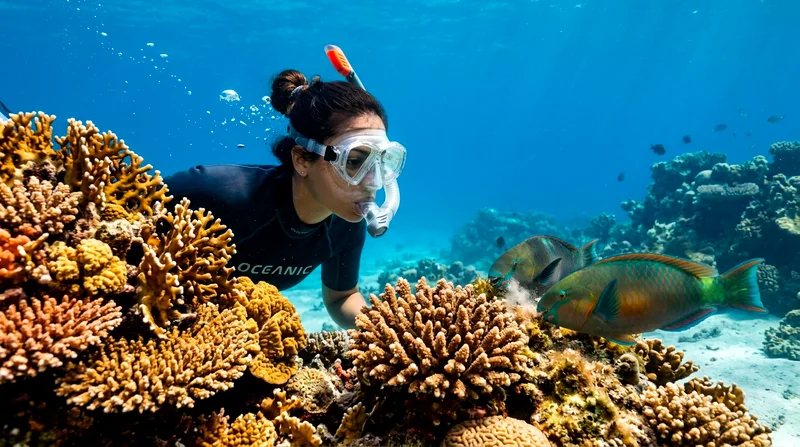
Samui's dry season is the period when boat operators run full schedules without second-guessing the forecast. Seas are flatter, rain is occasional rather than persistent, and visibility for snorkeling around Koh Tan and Koh Madsum tends to hold up day after day. If you're choosing dates purely around boat tours and nothing else, this is the window to build a trip around.
December to April overview
December opens the dry season but isn't always its calmest month — the tail end of the Northeast Monsoon can still stir up swell into early December, particularly around the Ang Thong archipelago, which sits more exposed than the bays close to Samui itself. By January, conditions usually settle. January through March is the most dependable stretch: light winds, minimal rain, and sea states that rarely disrupt a full-day itinerary. April adds heat — expect air temperatures in the mid-30s Celsius — but the water stays calm until early signs of the Southwest Monsoon start creeping in toward late April or May. If you want the single safest month to book around, pick February.
Why tours run reliably
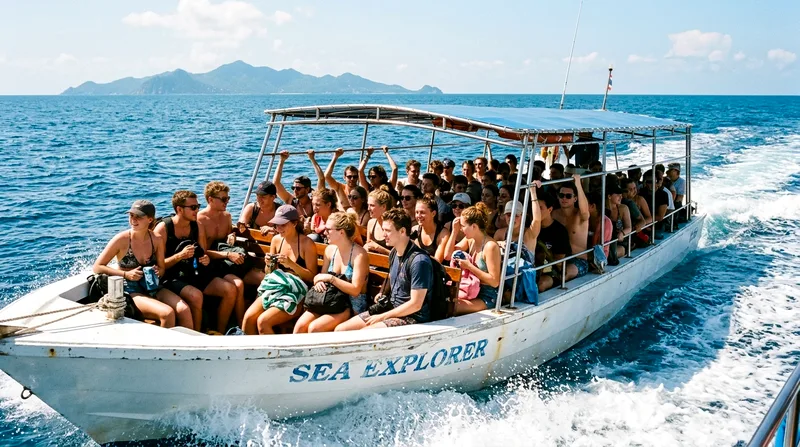
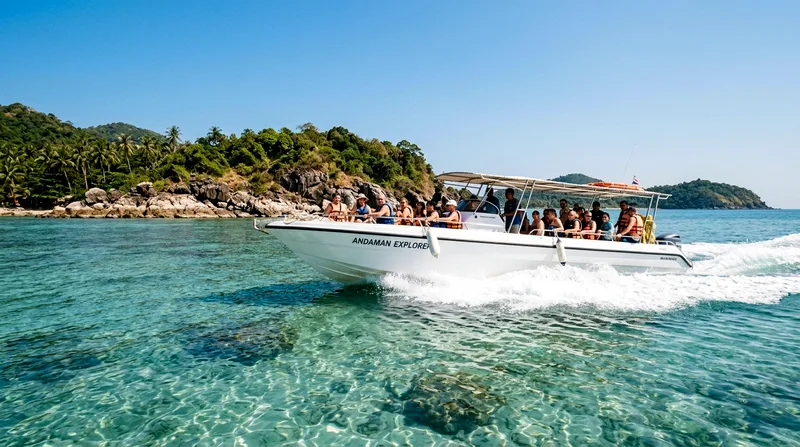
Operators plan their high-capacity speedboat and catamaran trips to Ang Thong and the southern islands around this window because wave heights typically stay under a meter in the open stretches between islands. That matters practically: smaller longtail boats used for Koh Tan or Koh Madsum day trips handle chop poorly, and operators will cancel or reroute rather than risk a rough crossing. During dry season, that decision rarely comes up. It's also the period when you'll see the widest menu of tour types listed on booking platforms like Viator, GetYourGuide, or searched via TripAdvisor — multi-island hops, sunset cruises, private charters — because supply scales up to match demand and conditions.
Monsoon Season: Limited Operations
Here's where a lot of trip planning goes wrong. Thailand has two monsoon systems, and they hit the Gulf coast differently than the Andaman coast. Confusing the two is the single biggest mistake I see in trip forums.
Southwest and northeast monsoons
The Southwest Monsoon (roughly May to October) batters Phuket, Krabi, and the Similan Islands hard — the Similans actually close entirely to boats from mid-May to mid-October by official park order. But because Samui sits on the eastern Gulf side, sheltered somewhat by the Thai mainland from the worst of the southwest flow, this period is actually manageable for Samui boat tours. Rain comes in short, heavy bursts rather than constant downpours, and many boats still run.
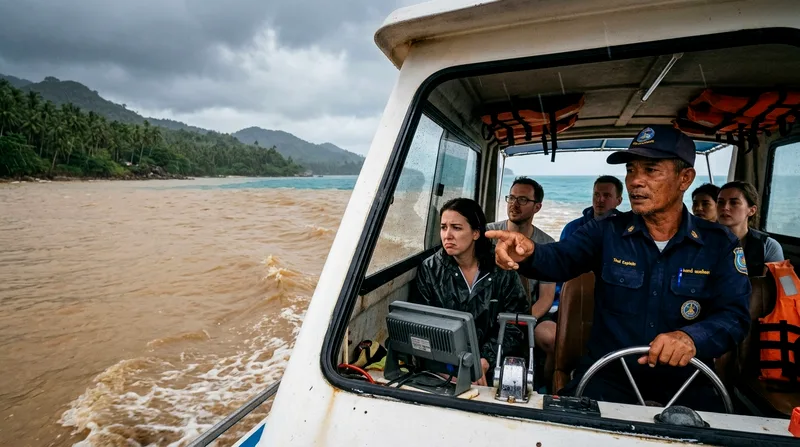
The real disruptor for Samui is the Northeast Monsoon, which runs roughly October through December and hits the Gulf of Thailand directly. This is the opposite of what happens on the Andaman side, where that same period is peak dry season. October and November are Samui's wettest, roughest months — this is when you'll see the most cancellations.
Operational challenges and closures
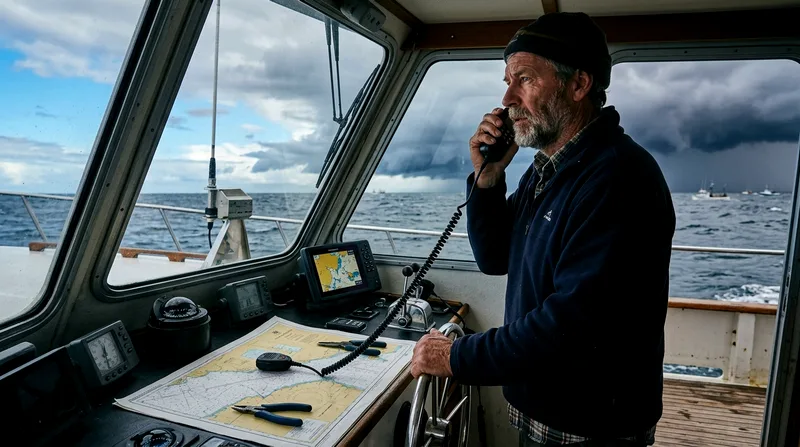
During the Northeast Monsoon peak, expect delayed departures, shortened itineraries, and same-day cancellations communicated the morning of — not days in advance. Ang Thong trips are the first to go because the open water crossing is longest and most exposed; shorter trips to Koh Tan or Koh Madsum, closer to Samui's southern coast, sometimes still run in moderate conditions because operators can duck into sheltered water. If you're traveling in October or November regardless of weather, I'd avoid prepaying for a non-refundable package tour and instead book something cancellable, or wait until you're on the island and can check a two-day forecast before committing.
Month-by-Month Sea Conditions
Averages hide a lot. Two Octobers can look completely different depending on how the monsoon tracks that particular year, so treat any month-by-month breakdown as a pattern, not a guarantee.
Late January through March offers the calmest seas and most reliable boat tour schedule, while October and November carry the highest cancellation risk.
Best season Samui boat tour conditions by month
| Month | Sea State | Rainfall | Tour Reliability |
|---|---|---|---|
| Dec | Variable, settling | Moderate | Good, improving |
| Jan | Calm | Low | Excellent |
| Feb | Calm | Low | Excellent |
| Mar | Calm | Low | Excellent |
| Apr | Calm, hot | Low | Very good |
| May–Jun | Moderate chop | Moderate | Good |
| Jul–Sep | Moderate, squally | Moderate-high | Fair, weather-dependent |
| Oct–Nov | Rough | High | Poor, frequent cancellations |
Typical seasonal patterns for the Gulf of Thailand; actual conditions vary year to year, so check short-range forecasts before booking.
Wave heights and water state
From January through April, open-water wave heights around Samui's boat routes typically run well under a meter, and the surface often looks flat enough that even seasickness-prone travelers have an easy day. May through September, under Southwest Monsoon influence, conditions turn choppier but remain workable — expect more cloud, intermittent rain squalls, and occasional half-meter-plus swell on exposed crossings to Ang Thong. October and November are the roughest stretch, with wave heights that can exceed a meter during active Northeast Monsoon spells, plus heavier, more sustained rainfall. December is transitional: some years calm quickly, others carry monsoon leftovers into the first couple of weeks.
Seasonal weather patterns
Rainfall data for Samui consistently shows October and November as the wettest months, with notably higher monthly rainfall totals than the rest of the year, while February and March post the lowest. Humidity stays high year-round in the Gulf — this isn't a dry climate the way inland Thailand can be — but dry season humidity feels more bearable because it's paired with sun rather than cloud cover and rain. If you're coming from Europe and timing a trip around winter escape, December through March lines up with Samui's best weather and your own off-season back home, which is part of why that window gets crowded with tour bookings.
Tour Availability and Cancellations
Not every Samui boat tour is equally vulnerable to weather. Knowing which ones flex and which ones fold changes how you should plan around the calendar.
Which tours operate year-round
Short hops to Koh Tan and Koh Madsum, both close to Samui's southern shore, run in some form most of the year because the crossing is short and boats can shelter behind the coastline if conditions turn. Sunset cruises that stay within Samui's bay also tend to continue through the Southwest Monsoon months, since they rarely venture into open water. What doesn't run reliably year-round is the full Ang Thong National Marine Park circuit — that's a longer open-water crossing, and operators pull it from the schedule or shorten the route whenever Northeast Monsoon swell picks up, typically October into December.
Seasonal tour schedule variations
During dry season, expect multiple daily departure times, larger boat capacity, and more private charter options listed on booking platforms. During the Southwest Monsoon months, schedules thin slightly but remain workable — this is actually a reasonable time to visit if you're comparing Samui against Phuket or the Similan Islands, both of which face harsher Andaman-side conditions in the same window. Come October and November, expect fewer daily departures, last-minute itinerary changes, and genuine cancellation risk. If your dates fall there, book refundable options and check current prices and live availability before you pay — conditions and operator schedules shift fast enough that anything printed in a guide can be outdated by the time you travel.
Visibility and Water Clarity
Calm seas and clear water aren't quite the same thing, and travelers planning a snorkeling-focused trip should pay attention to both.
Snorkeling and diving conditions
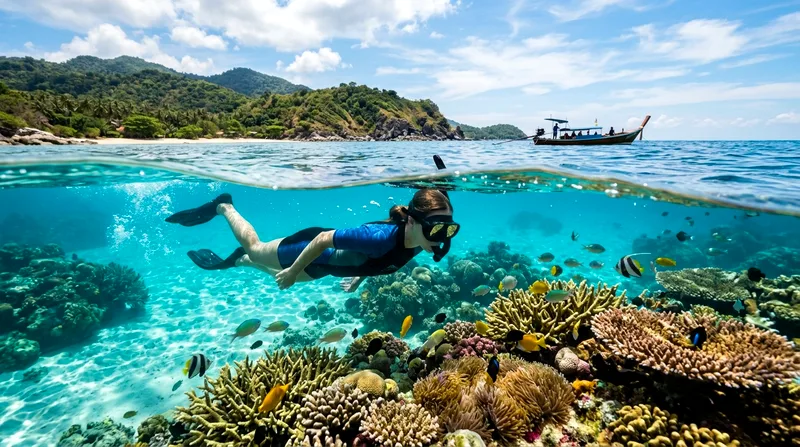
Underwater visibility around Koh Tan and Koh Madsum generally peaks during the dry season, when calmer seas mean less sediment gets stirred up and runoff from Samui's rivers is minimal. Visibility in the 10 to 15 meter range isn't unusual on a good dry-season day in these shallower reef areas. During and after heavy rain — common in October and November — runoff clouds nearshore water noticeably, sometimes dropping visibility to a few meters for days afterward. Compared to the Similan Islands or Koh Lanta's better dive sites on the Andaman side, Samui's visibility is generally more modest even at its best, so set expectations accordingly if open-water diving clarity is your main goal.
Photography and underwater visibility
For photos — both above and below water — dry season wins clearly. Flat seas make for sharper horizon shots from the boat deck, strong sun lights up shallow reef snorkeling photos, and the near-daily blue sky gives Ang Thong's limestone cliffs better contrast than the flat, grey light typical of overcast monsoon days. If underwater photography matters to your trip, aim for the window after the water has had a few calm days to settle — right after a rain spell, even in dry season, clarity briefly drops before rebounding within a day or two.
Frequently asked questions
What is the best month for Samui boat tours?
February is generally the single most reliable month — calm seas, minimal rain, and full tour schedules. January and March run a close second. All three sit firmly in the dry season window before the heat intensifies in April or the Southwest Monsoon begins affecting conditions from May onward.
When do boat tours get cancelled in Koh Samui?
Cancellations cluster around October and November, when the Northeast Monsoon hits the Gulf of Thailand directly. Longer open-water trips to Ang Thong National Marine Park are cancelled first; shorter, sheltered routes to Koh Tan or Koh Madsum sometimes still operate. Expect same-day decisions rather than advance notice.
Is September a good time for boat tours in Samui?
September sits in the Southwest Monsoon period, which affects the Gulf less severely than it does Phuket or the Similan Islands. Expect more cloud and occasional rain squalls, moderate chop on open crossings, but many tours still run. It's a reasonable shoulder-season choice if you're flexible and want lower crowds.
What are sea conditions like during monsoon season?
It depends which monsoon. Southwest Monsoon months (roughly May–October) bring moderate chop and intermittent rain to the Gulf but remain workable. Northeast Monsoon months (roughly October–December) bring the roughest seas of the year to Samui specifically, with wave heights that can exceed a meter and sustained rainfall.
Which boat tours operate year-round in Koh Samui?
Short trips to Koh Tan and Koh Madsum, plus bay-based sunset cruises, operate in some form nearly all year because they stay close to Samui's sheltered coastline. Full-day Ang Thong National Marine Park tours are the most weather-dependent and are the first to be shortened or cancelled during rough conditions.